Action plan for home water damage cleanup - Water damage in a home can be a devastating event, leading to loss of personal belongings and potentially causing long-term structural damage. The aftermath of a water damage event requires quick action and careful planning. This essay will provide homeowners with a plan to help them manage the situation.
When confronting water damage in your home, the first step is to assess the safety of your environment. Water damage can compromise structural integrity, pose electrical hazards, and promote the growth of mold and mildew. If you have any doubts about safety, it is important to consult professionals and evacuate the area.
10 Meetups About Water Cleanup You Should Attend
Once you have determined that it is safe to stay in your home, identify the source of water damage. This can be caused by natural disasters such as floods or storms, or household issues like burst pipes and appliance failures. It is important to stop additional water from entering the space. Shut off main water valves, if necessary, and contact a plumbing professional if you have broken plumbing.
After halting further damage, document everything thoroughly for insurance purposes--take photos or videos of all affected areas and list damaged items. Your insurance company will be able to process your claim faster if you keep detailed records.
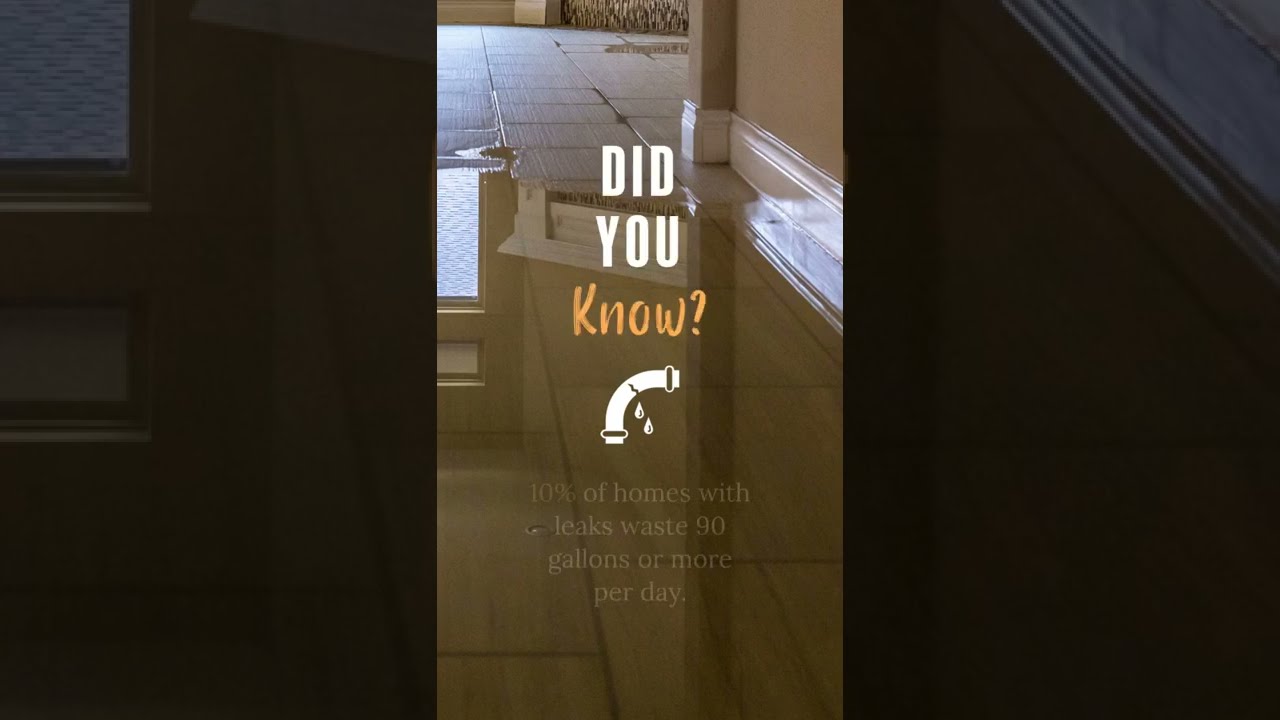
The next step is to remove standing water. This is a vital step in preventing further deterioration or mold growth. For small areas, mopping and blotting might suffice; however, more severe cases may require pumps or wet vacuums. Time is of the essence. Carpets, for example, absorb water very quickly and can cause additional problems.
20 Fun Facts About Water Extraction
After the standing water is gone, use fans, dehumidifiers and natural ventilation to dry out the affected area. Drywall, insulation, flooring--these materials can harbor moisture even after surface wetness seems gone. These structures may take weeks or even days to dry completely.
While drying takes place, clean and disinfect every affected surface since contamination is often part of water damage scenarios--especially when dealing with greywater (from appliances) or blackwater (sewage). Use flood restoration near me different cleaners on different surfaces. For example, use gentle detergents to clean soft materials such as upholstery and stronger agents like bleach solution when necessary.
Sadly not everything can be saved after significant water exposure; therefore evaluate what items should be discarded versus restored based on sentimental value or cost efficiency--professional restoration services might restore some seemingly lost causes.
Lastly but critically important is preventing future incidents by addressing underlying issues that caused the initial problem whether it's sealing cracks in foundations repairing roofs reinforcing flood defenses around property lines taking proactive measures now helps avoid repeating history later on
In conclusion developing an action plan for handling home water damages demands prompt attention systematic effort understanding how navigate through various phases--from securing safety assessing destruction documenting evidence extracting moisture cleaning disinfecting salvaging belongings up until preventative maintenance Each phase plays its own key role toward restoring normalcy within one's living space Moreover following such structured guidance not only mitigates short-term chaos but also supports long-term resilience against potential threats ensuring peace mind amongst homeowners during trying times